AI Search Doesn’t Run One Query. It Runs Dozens.
Most marketers still think search works like this: someone asks a question, and the platform retrieves the best result.
That’s not what’s happening anymore.
AI systems don’t just answer prompts — they fan out. One prompt triggers dozens of layered searches behind the scenes, pulling in reviews, comparisons, fresh content, and structured answers so the model can summarize with confidence.
If your content strategy is still built around ranking for one keyword, you’re not optimizing for how AI search actually works.
The New Reality: Query Fan-Out
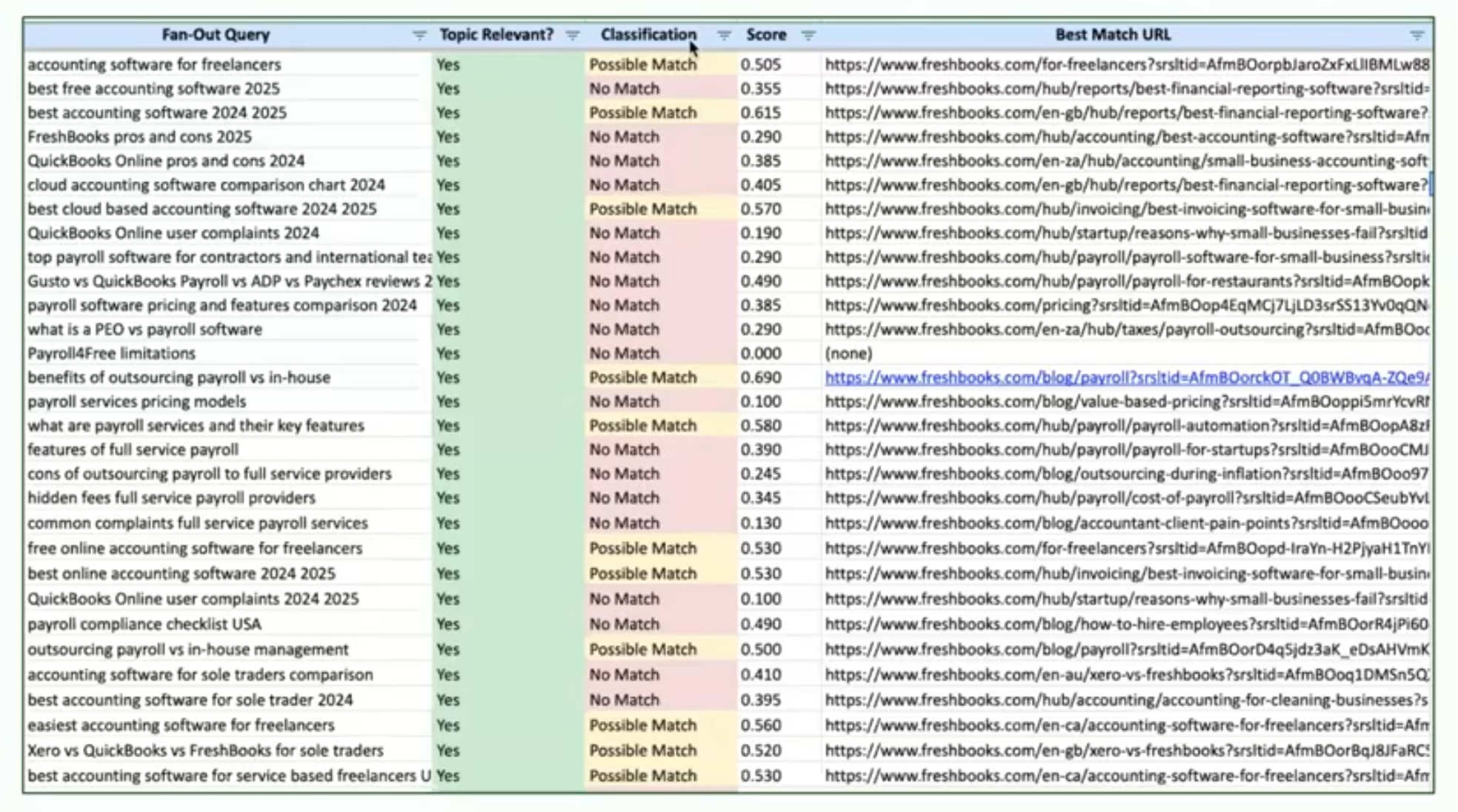
Query fan-out is the process where an AI platform breaks a single prompt into multiple searches. Instead of one query, you get a web of queries—each one with different intent signals and supporting angles.
That changes content planning completely. You’re no longer competing for one ranking position. You’re competing to be the best source across the entire decision tree AI builds during retrieval.
How AI Search Actually Works (The Mechanics)
1) AI Search Is Multi-Query by Default
AI platforms don’t run one query — they expand prompts into multiple searches. Visibility depends on whether your content shows up across the variations AI generates, not just the “main keyword” a human might type.
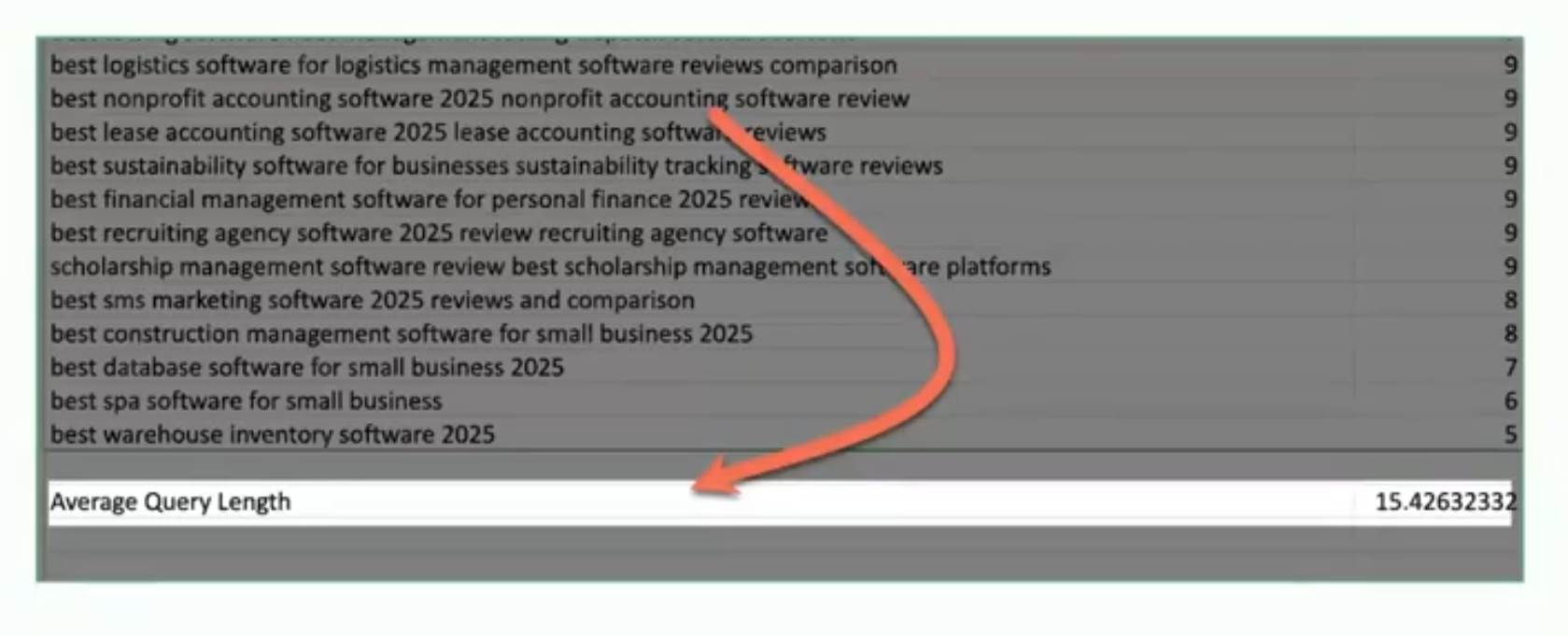
2) Fan-Out Queries Are Longer and More Specific
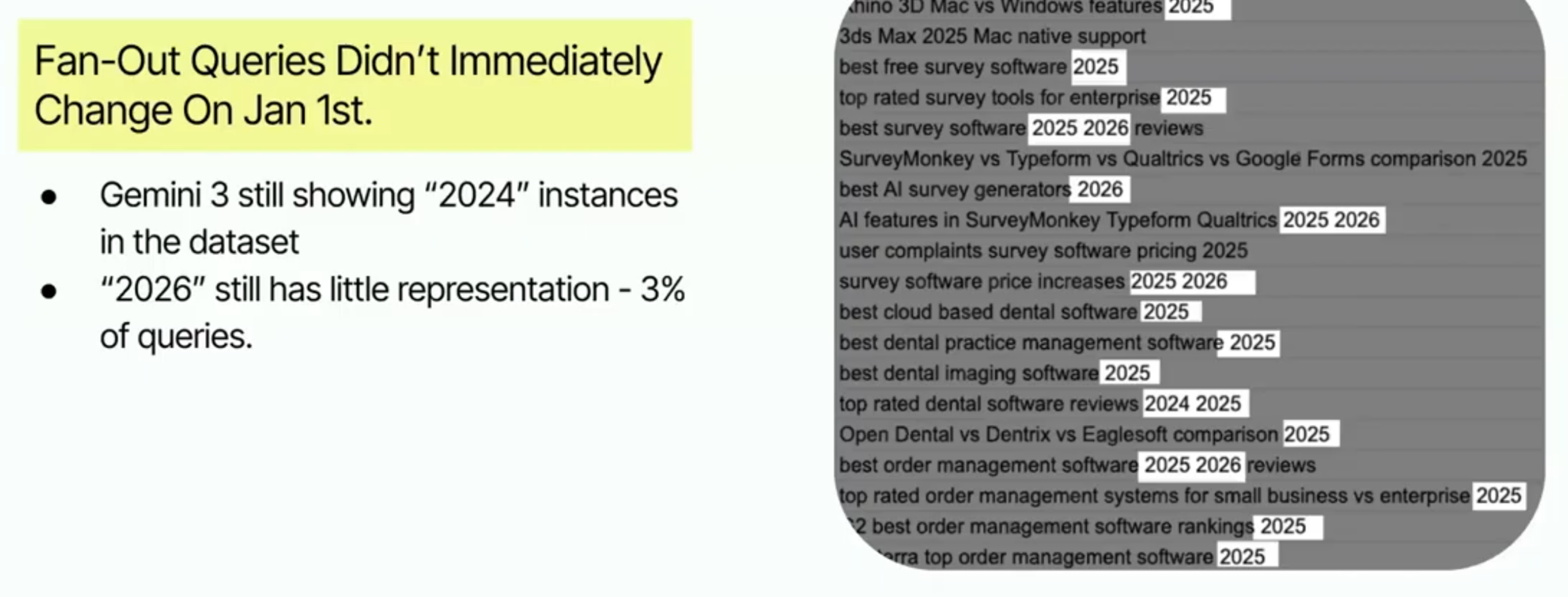
These fan-out searches are often multi-word and packed with intent signals like “best,” use cases, comparisons, and current-year phrasing. Many don’t show up in keyword tools because they have little or no traditional search volume.
3) Structure Drives Extraction
AI prefers content it can cleanly parse and reuse. Tables, lists, and Q&A blocks make your content easier to extract, summarize, and cite inside AI answers.
What AI Retrieval Prefers [January 2026 Update]
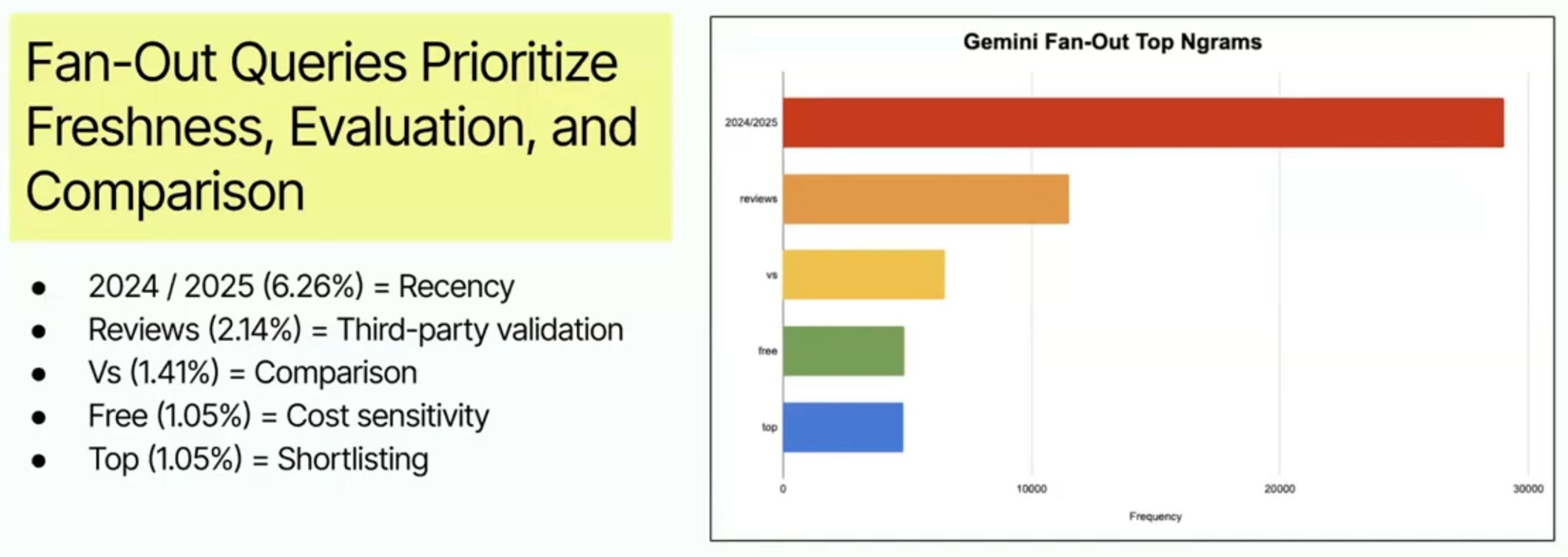
Reviews, Freshness, and Comparisons Dominate
Across AI retrieval patterns, the same themes show up repeatedly: reviews, current-year relevance, and direct comparisons. AI is pulling content to evaluate, not just to inform.
Google + ChatGPT Optimization Overlaps
The extraction patterns are similar across platforms. If you optimize content for fan-out retrieval and structured extraction, you’ll usually gain visibility in both Google and AI assistants at the same time.